Requirements to teach English in Taiwan
- A passport from a country where English is an official language.
- A bachelor's degree in any subject, authenticated in your home country.
- A criminal record check, authenticated, plus a health check in Taiwan.
- Age 20 or over. Buxibans don't legally require a TEFL; the public-school programme (TFETP) asks for a teaching licence or a TEFL.
How much do English teachers earn in Taiwan?
| Job type | Monthly pay (TWD) | ≈ USD |
|---|---|---|
| Buxiban (cram school) | NT$60,000–80,000 | US$1,840–2,460 |
| Public schools (TFETP) | ≈ NT$62,700–78,000 | US$1,930–2,400 |
| International schools | NT$80,000–150,000+ | US$2,460–4,610+ |
Buxibans often advertise NT$600–800 an hour. TFETP adds paid breaks, airfare and housing help in some counties. On a NT$70,000 salary, expect about NT$58,000–60,000 after tax and health insurance. USD at 30 October 2026 rates (US$1 ≈ NT$32.6).
The legal route: work permit and ARC
- Get a job offer from a registered school. Only the employer can apply for your work permit.
- Authenticate your degree and criminal record check at home — ask your school whether it needs an apostille or Taiwan office authentication.
- Your employer applies for the work permit. Cram-school permits need at least 14 teaching hours a week (maximum 32).
- Get a resident visa, then your Alien Resident Certificate (ARC) within 15 days.
Red flag: teaching privately, or for a second school, without your own permit for that job is illegal — even if you already hold an ARC. Penalties include fines and deportation.
Non-native speakers and no degree
Non-native English speakers
Limited. To teach English legally at a cram school or public school, your passport must be from a country where English is an official language. Other nationals cannot get these permits, however good their English.
No degree
Rarely. A bachelor's degree is the standard route. The rules allow a college graduate without a bachelor's to qualify with a recognised language-teaching certificate, but schools rarely sponsor it — confirm before you travel.
When do schools in Taiwan hire?
The school year starts in late August, with a second semester in February. TFETP applications open around February for an August start; buxibans hire all year.
Cost of living
We could not find a reliable, dated 2026 source for Taipei rents, so we have not published figures. Rents outside Taipei are noticeably lower, and some counties give TFETP teachers a housing allowance.
Sources checked
- Taiwan Ministry of Education, “MOE to continue recruiting foreign English teaching talent in 2026” (23 Feb 2026).
- FAQs.tw, “English Teaching Jobs in Taiwan 2026”.
- Teast, “TFETP program” (updated 5 May 2025).
- Global Affairs Canada, “Teaching English in Taiwan”.
- Exchange rate: open.er-api.com, 30 Oct 2026.
Frequently asked questions
How much do English teachers earn in Taiwan?
Typically NT$60,000–80,000 a month at buxibans and about NT$62,700–78,000 in the public-school programme — roughly US$1,840–2,460.
Can non-native speakers teach English in Taiwan?
Only with a passport from a country where English is an official language. Other nationals cannot get the work permit for English teaching.
Do I need a degree to teach in Taiwan?
In practice, yes. A narrow route for college graduates with a language-teaching certificate exists, but schools rarely sponsor it.
Can I teach private lessons in Taiwan?
Only for an employer that holds a work permit for you. Private or second-school teaching without your own permit is illegal.
Updated October 2026 by Teacher Francois. Salaries and visa rules are typical ranges reported for 2025–2026 and can change — always confirm with your employer and the official embassy or immigration website before you pay for anything.
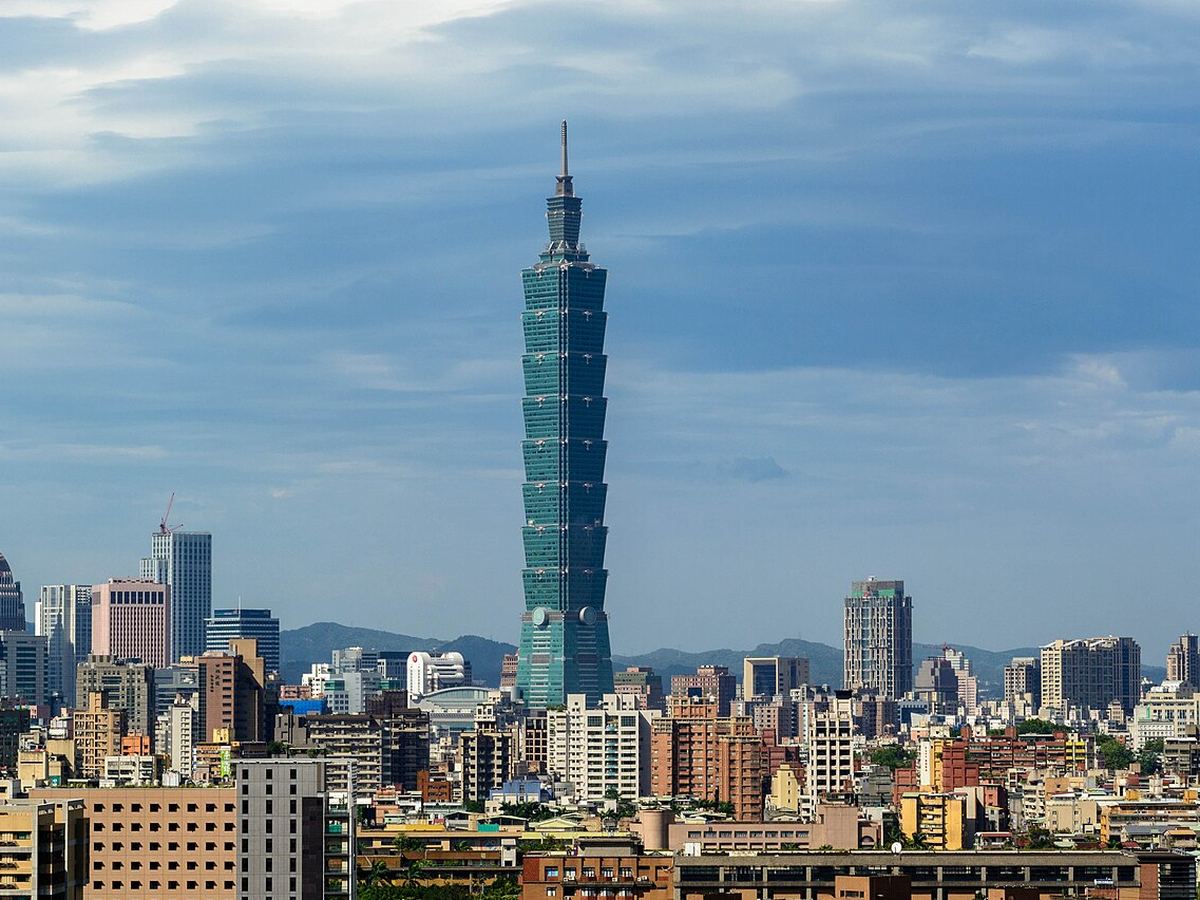
Photo: Andrew Van Ova, CC BY 2.0, via Wikimedia Commons (cropped).
