Requirements to teach English in Japan
- A bachelor's degree in any subject — the normal route to the work visa.
- Native-level English. Large employers such as Interac ask non-native speakers for at least 12 years of education taught in English.
- A TEFL is helpful but often not required for ALT and eikaiwa jobs.
- A clean background and, for many ALT jobs, a driving licence.
How much do English teachers earn in Japan?
| Job type | Monthly pay (JPY) | ≈ USD |
|---|---|---|
| JET Programme ALT | ≈ ¥280,000 (¥3.36M a year) | US$1,775 |
| Dispatch ALT (e.g. Interac) | ≈ ¥200,000–250,000 | US$1,270–1,580 |
| Eikaiwa (conversation schools) | ¥250,000–275,000 | US$1,580–1,740 |
| Universities | ¥350,000–600,000 | US$2,220–3,800 |
| International schools | ¥400,000+ | US$2,530+ |
JET covers flights and its first-year pay rises with renewals. Eikaiwa and dispatch jobs rarely include free housing. USD at 30 October 2026 rates (US$1 ≈ ¥158).
The legal route: Certificate of Eligibility and visa
- Get a job offer — JET applications open in autumn for arrival the following July–August; dispatch companies and eikaiwa hire all year.
- Your employer applies for a Certificate of Eligibility (COE) from the Immigration Services Agency (one to three months).
- Take the COE to a Japanese embassy or consulate for your visa. The COE is valid for three months.
- Receive your residence card on arrival and register your address within 14 days.
Public-school teaching normally uses the Instructor status; eikaiwa and company teaching use Engineer / Specialist in Humanities / International Services. Your pay must be at least what a Japanese worker in the same job earns.
Non-native speakers and no degree
Non-native English speakers
Legally possible. Japan's work visas have no nationality list. JET only recruits in participating countries, and big employers ask for 12 years of English-medium education — so bring proof of your schooling and a strong demo lesson.
No degree
Very difficult. A degree is the normal route. The International Services category also accepts three years of documented language-teaching experience, but few employers will sponsor it. Get written confirmation before you spend anything. See teaching without a degree.
When do schools in Japan hire?
The Japanese school year starts in April. JET arrives in July–August; dispatch ALT companies and eikaiwa recruit all year, with many contracts starting in April.
Cost of living
| Estimated monthly total | JPY | ≈ USD |
|---|---|---|
| Tokyo | ≈ ¥203,000 | US$1,285 |
| Osaka | ≈ ¥174,000 | US$1,100 |
| Fukuoka | ≈ ¥156,000 | US$990 |
New leases often need key money and a deposit — budget for two to three months' rent up front.
Sources checked
- Embassy of Japan, JET Programme application guidelines (Dec 2023 edition; ¥3.36M first-year remuneration).
- ESL Base, Interac Assistant Language Teacher listing (15 May 2026).
- Premier TEFL, “English teacher salary in Japan 2026”.
- Migaku, “Japan Engineer/Specialist in Humanities visa requirements explained” (updated 26 May 2026).
- Exchange rate: open.er-api.com, 30 Oct 2026.
Frequently asked questions
How much do English teachers earn in Japan?
About ¥280,000 a month on JET (¥3.36 million a year), ¥200,000–250,000 as a dispatch ALT and ¥250,000–275,000 at eikaiwa schools.
Can non-native speakers teach English in Japan?
Yes. Japan's work visas have no nationality list, though large employers usually ask for 12 years of education taught in English.
Can I teach English in Japan without a degree?
Rarely. A degree is the normal route; three years of documented language-teaching experience can qualify on paper, but few employers sponsor it.
What visa do English teachers use in Japan?
Instructor for public schools, or Engineer / Specialist in Humanities / International Services for eikaiwa and companies. Your employer applies for a Certificate of Eligibility first.
Updated October 2026 by Teacher Francois. Salaries and visa rules are typical ranges reported for 2025–2026 and can change — always confirm with your employer and the official embassy or immigration website before you pay for anything.
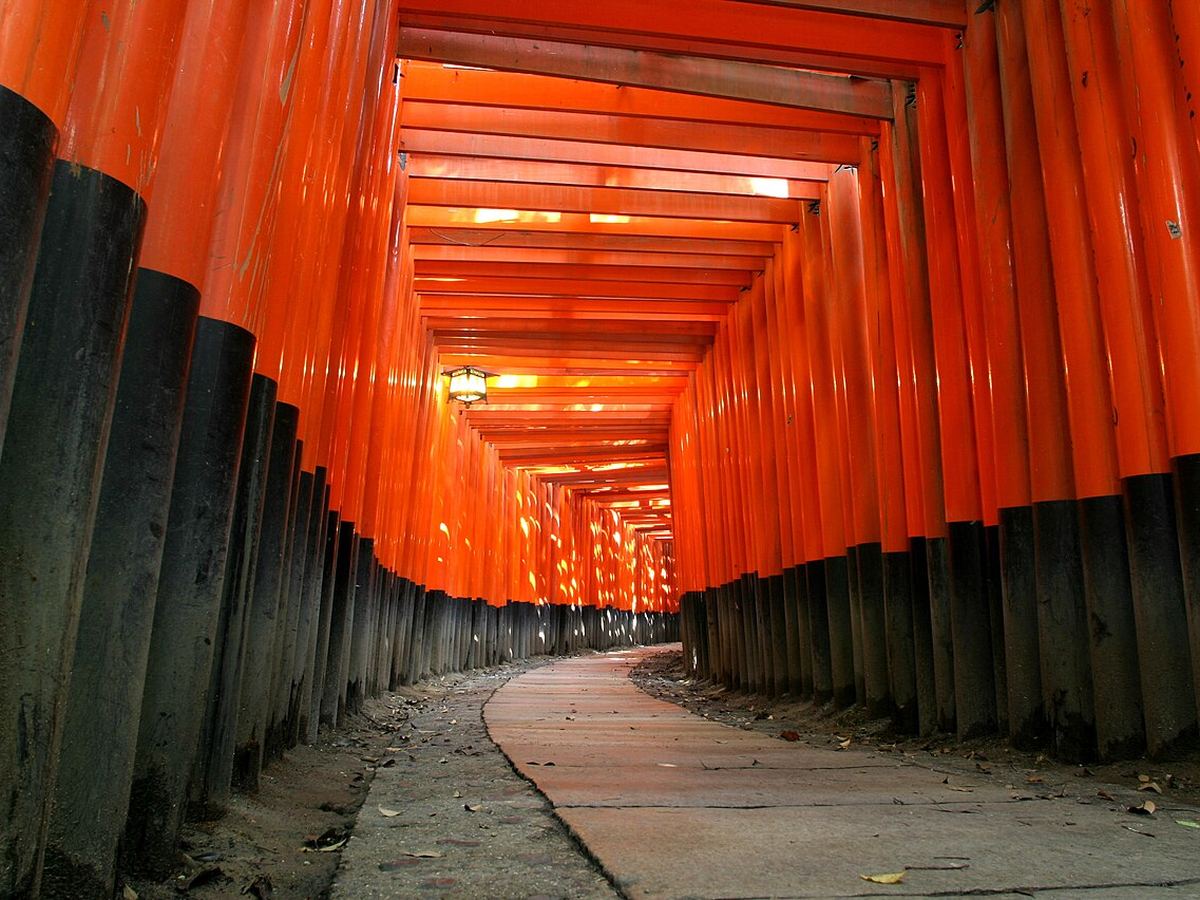
Photo: Paul Vlaar, CC BY-SA 3.0, via Wikimedia Commons (cropped).
